
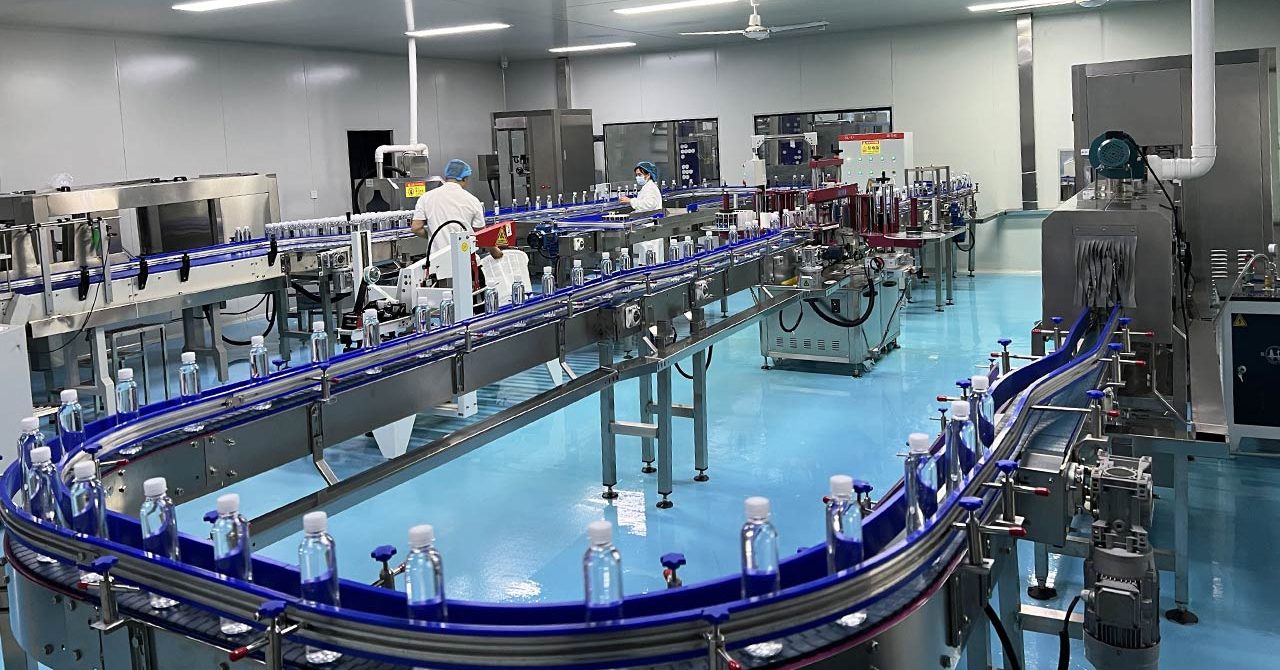
In modern manufacturing, efficiency and consistency are key to staying competitive. A filling machine plays a crucial role in packaging industries by accurately dispensing liquids, powders, or granules into containers. From bottled water to chemical products, filling machines ensure speed, precision, and hygiene throughout the production process.
A filling machine is an automated or semi-automated piece of equipment designed to fill containers such as bottles, jars, or pouches with a specific quantity of product. These machines are widely used in industries including food and beverage, pharmaceuticals, cosmetics, and chemicals.
Depending on the level of automation, filling machines can range from simple manual units to fully automatic systems integrated into complete production lines.
Different products require different filling technologies. The most common types include:
These machines use gravity to fill thin, free-flowing liquids such as water or juice. They are simple, cost-effective, and suitable for low-viscosity products.
Piston fillers are ideal for thicker products like sauces, creams, or oils. They use a piston mechanism to draw and dispense precise volumes.
Designed for products that require consistent fill levels, such as beverages in transparent bottles. They ensure a uniform appearance.
Commonly used for glass containers, these machines use vacuum pressure to fill liquids accurately and reduce spillage.
High-speed machines designed for large-scale production. They are often used in beverage factories for continuous, automated operation.
While the exact process varies by machine type, the general working principle follows these steps:
Empty containers are fed into the machine via a conveyor system and positioned under the filling nozzles.
The machine dispenses a pre-set amount of product into each container using a specific filling method (gravity, piston, or pressure-based).
Sensors and control systems ensure that each container receives an accurate and consistent volume.
Filling nozzles are designed to prevent dripping and foaming, ensuring a clean and efficient process.
Once filled, containers move to the next stage, such as capping, labeling, or packaging.
● High Efficiency: Significantly increases production speed compared to manual filling
● Accuracy: Ensures consistent filling volume with minimal deviation
● Hygiene: Reduces contamination risk, especially in food and beverage applications
● Cost Savings: Minimizes product waste and reduces labor costs
● Scalability: Easily integrated into automated production lines
Filling machines are essential across various industries, including:
● Beverage Industry: Water, juice, carbonated drinks
● Food Industry: Sauces, oils, dairy products
● Chemical Industry: Detergents, lubricants, cleaning liquids
● Pharmaceutical Industry: Syrups, liquid medicines
● Cosmetics Industry: Lotions, shampoos, creams
A filling machine is a vital component in modern production lines, ensuring efficiency, precision, and reliability. Whether for small-scale operations or large industrial manufacturing, choosing the right filling machine can significantly improve productivity and product quality.
As automation continues to evolve, filling machines are becoming smarter, faster, and more adaptable—making them an essential investment for businesses looking to stay competitive in today’s market.

No. 22, Tongyun South Road, Changyinsha Modern Agricultural Demonstration Park, Zhangjiagang City
We provide advanced filling solutions, ensuring efficient 24/7 operation with high-quality, reliable equipment.
Copyright © 2026 Zhangjiagang ALL-FILLING Machinery All Rights Reserved.