
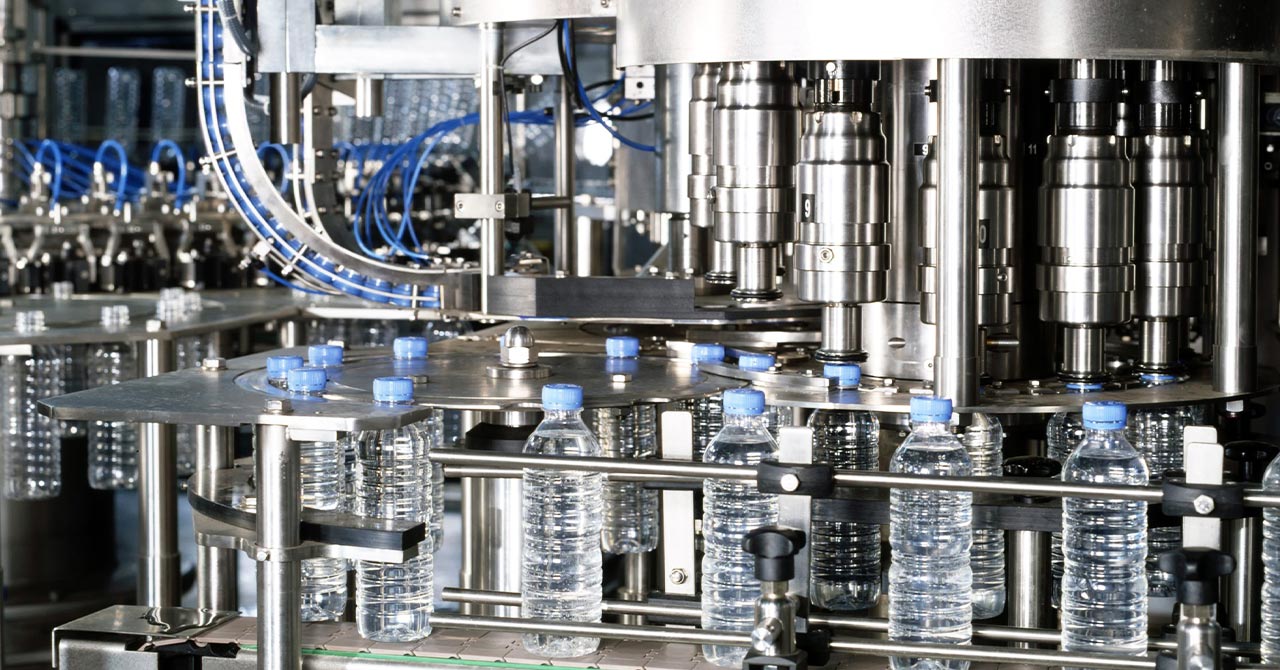
Filling accuracy problems rarely appear overnight. In most factories, the machine starts with stable and precise performance, but after weeks or months of continuous operation, small deviations begin to show—slightly uneven fill levels, occasional dripping, or inconsistent volumes that are easy to overlook at first but gradually become impossible to ignore.
These issues are not random. They are usually the result of multiple small factors accumulating over time. Understanding where these changes come from is the first step toward fixing them effectively.
Even in well-maintained production lines, mechanical wear is unavoidable. The moment a filling machine starts running, components such as seals, pistons, and valves begin a slow process of degradation, especially under conditions where the machine operates for long hours or handles demanding production loads.
At first, nothing seems wrong. Output looks normal. Operators don’t notice anything unusual. But inside the system, tolerances are already shifting.
A slightly worn seal might not fail completely, but it can allow micro-leakage. A valve that doesn’t close as tightly as before can change the flow rate just enough to affect consistency. Over time, these small changes add up.
Eventually, you begin to see it on the production line.
Not dramatically. But consistently.
The solution is not complicated, but it requires discipline:
routine inspection, scheduled replacement, and attention to early warning signs before they become production problems.
Many operators assume that accuracy loss always comes from the equipment, but in reality, the product itself is often the hidden variable. Liquids behave differently depending on temperature, viscosity, and even minor formulation changes, and a machine calibrated for one condition may not perform the same under another.
For example, a filling system that works perfectly in the morning may show slight inconsistencies in the afternoon if the product temperature rises. Thicker liquids flow more slowly. Warmer liquids may foam more easily. Even small variations can affect the final result.
This is why consistency matters.
Not just in machinery—but in the product itself.
If accuracy issues appear suddenly without any mechanical changes, it’s worth checking:
Stabilizing these factors often restores accuracy without touching the machine.
In many factories, calibration is treated as a one-time setup rather than an ongoing process. The machine is adjusted during installation, tested, and then expected to perform indefinitely under changing production conditions.
But in reality, even minor shifts in settings can lead to noticeable deviations over time. Sensors may drift, timing may shift, and previous parameters may no longer match current production needs.
The issue is subtle. There is no alarm. No obvious failure.
Just a slow drift away from precision.
Regular recalibration—especially after product changes, maintenance work, or long production cycles—is one of the simplest ways to maintain accuracy, yet it is often neglected until the problem becomes visible.
Not all accuracy issues are technical. Some are operational.
Different operators may use slightly different settings, adjust parameters based on experience, or skip certain checks during busy production periods. Over time, these small variations can lead to inconsistent machine behavior, especially in environments where multiple shifts are involved.
You might notice that accuracy is stable during one shift, but fluctuates during another. That’s usually not a coincidence.
Clear operating procedures make a difference.
So does consistency in training.
Standardizing how the machine is used—rather than relying on individual habits—can eliminate a surprising number of accuracy problems.
Some of the most frustrating accuracy issues come from factors that are not immediately visible. Air in the system, unstable pressure, or inconsistent liquid supply can all interfere with the filling process without obvious warning signs.
Air bubbles, for example, can compress during filling and expand afterward, resulting in underfilled containers. Pressure fluctuations can change the speed at which liquid is dispensed. An unstable supply tank may introduce variations in flow.
These are not mechanical failures, but they directly affect results.
When troubleshooting, it helps to look beyond the machine itself:
Sometimes the smallest unseen factor creates the biggest inconsistency.
Improving filling accuracy is rarely about a single adjustment. It’s about combining multiple small improvements into a stable system.
In practice, experienced operators tend to focus on a few key actions:
None of these steps are complicated on their own. But together, they make a significant difference.
Accuracy loss in a filling machine is usually the result of gradual change rather than sudden failure. Wear, product variation, calibration drift, and operational habits all play a role, and the key to solving the problem is understanding how these factors interact over time.
By paying attention to both the machine and the process around it, manufacturers can maintain consistent performance, reduce waste, and ensure that their production line continues to operate efficiently.
If your filling machine is experiencing accuracy issues and you’re not sure where to start, our team can help you analyze the problem and provide practical solutions based on your production conditions.

No. 22, Tongyun South Road, Changyinsha Modern Agricultural Demonstration Park, Zhangjiagang City
We provide advanced filling solutions, ensuring efficient 24/7 operation with high-quality, reliable equipment.
Copyright © 2026 Zhangjiagang ALL-FILLING Machinery All Rights Reserved.