How to Choose High-Performance Water & Beverage Filling Equipment: Ensure Maximum ROI and Production Efficiency
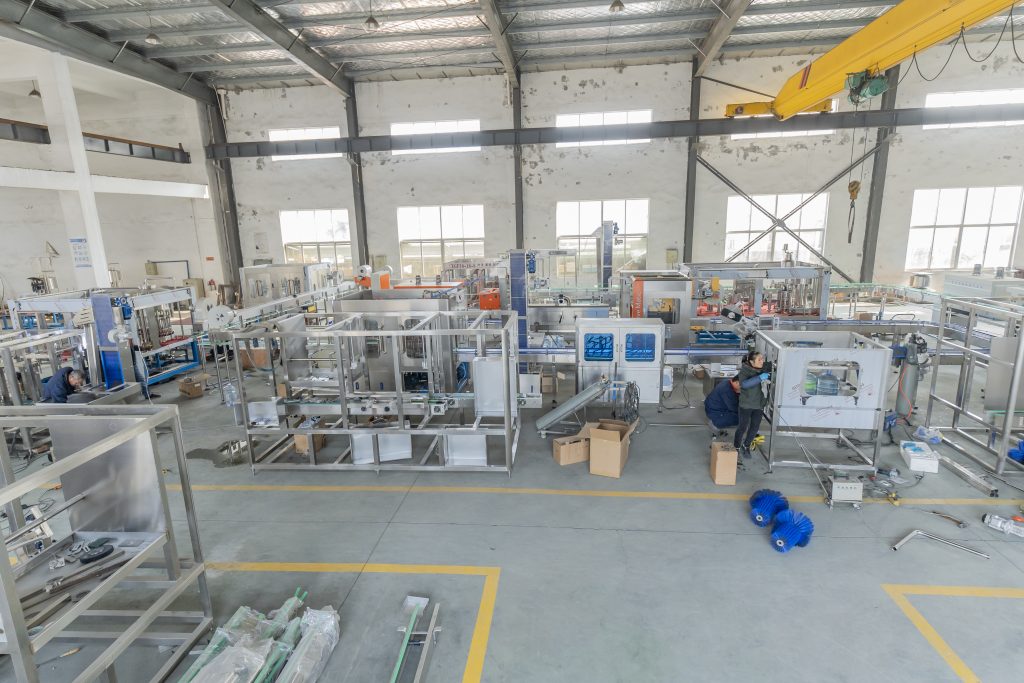
In the rapidly evolving beverage industry, the efficiency of your production line is the heartbeat of your business. Whether you are a startup water bottling company or a large-scale beverage manufacturer, selecting the right water filling machine or beverage filling machine is a critical decision that impacts your product quality, operational costs, and long-term scalability.
At All-Filling, we combine decades of engineering expertise with a deep understanding of global market demands. In this comprehensive guide, we will break down everything you need to know about liquid filling technology, guided by the principles of Experience, Expertise, Authoritativeness
1. Understanding the Core Technologies: Water vs. Carbonated Beverage Filling
Not all liquids are created equal. The mechanical requirements for filling still mineral water differ significantly from those for carbonated soft drinks (CSD) or pulpy juices.
1.1 Gravity Filling for Mineral Water
For non-carbonated liquids like mineral water or purified water, gravity filling is the industry standard. It relies on the weight of the liquid to fill the container. This method is cost-effective, simple to maintain, and ensures high precision without damaging the liquid’s molecular structure.
1.2 Isobaric (Counter-Pressure) Filling for Carbonated Beverages
Beverages containing CO2 require a sophisticated approach. Isobaric (Counter-Pressure) filling machines maintain equal pressure between the storage tank and the bottle to prevent foaming and CO2 loss. This technology is essential for maintaining the “fizz” and shelf-life of carbonated drinks.
2. Key Factors to Consider When Buying a Filling Machine
Investing in a bottling line is a significant capital expenditure. To ensure a high Return on Investment (ROI), consider these four pillars.
2.1 Production Capacity (BPH)
Your machine’s speed is measured in Bottles Per Hour (BPH).
Small scale: 2,000 – 4,000 BPH
Medium scale: 6,000 – 12,000 BPH
High-speed industrial: 15,000+ BPH
Always choose a machine that offers 20% more capacity than your current needs to allow for future growth.
2.2 Filling Accuracy and Wastage Control
In large-scale production, a 1% deviation in filling volume can lead to thousands of dollars in lost product over a year. Modern machines from All-Filling utilize high-precision flow meters or level sensors to ensure consistency within ±1.5mm.
2.3 Container Versatility
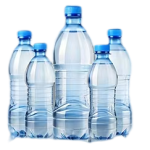
Does your brand use PET bottles, glass bottles, or cans? A versatile 3-in-1 Monoblock machine (Rinsing, Filling, and Capping) allows for quick changeovers between different bottle sizes (e.g., 330ml to 1.5L) with minimal downtime.

3. The Importance of Hygiene and Material Standards
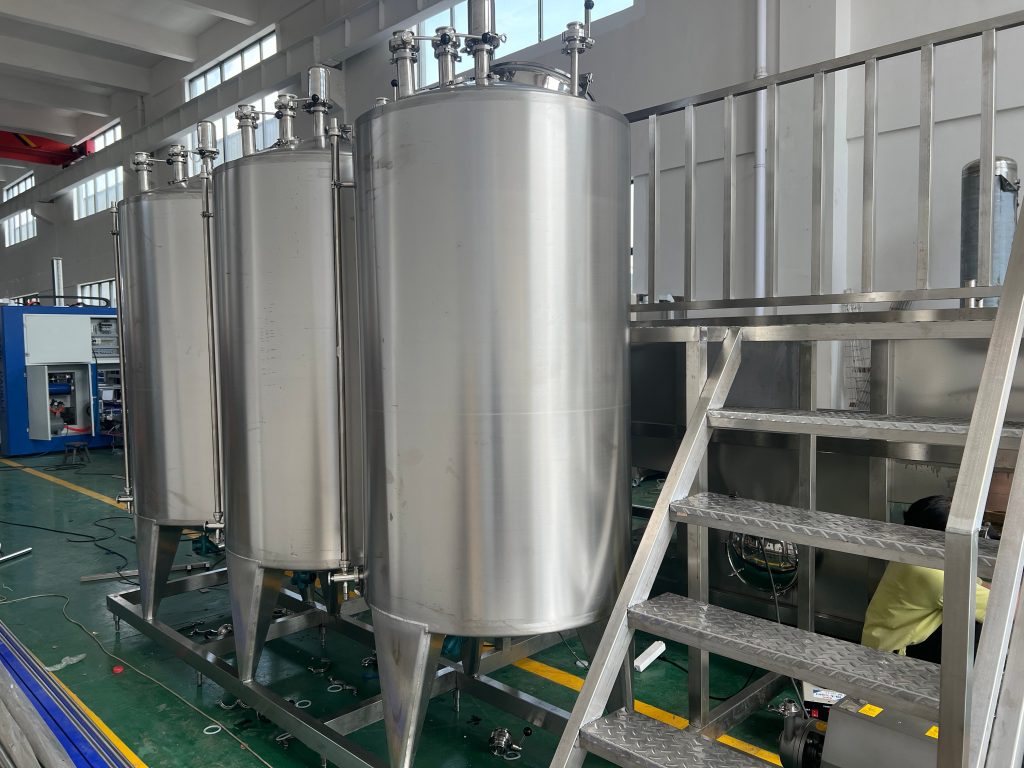
Safety is non-negotiable in the food and beverage industry. As a professional manufacturer, we emphasize:Material Selection: All parts in contact with the liquid must be made of SUS304 or SUS316L stainless steel. This prevents corrosion and ensures the product remains uncontaminated.
CIP (Clean-in-Place) Systems: An integrated CIP system allows for automated cleaning of internal pipes and valves without disassembling the machine
4. Troubleshooting Common Issues in Bottling Lines
Based on our years of field experience, here are the most common challenges and how to solve them:
Foaming During Filling: Often caused by incorrect pressure settings or temperature fluctuations. Ensure your cooling system is synchronized with the filler.
Inconsistent Filling Levels: Usually points to a vacuum leak or a clogged filling valve. Regular inspection of seals is vital.
Capping Failures: Check the torque settings on the capping head. If the cap is too tight, it damages the thread; too loose, and it leaks.
5. Why Partner with All-Filling?
Choosing a supplier is as important as choosing the machine itself. At All-Filling, we provide more than just hardware; we provide End-to-End Solutions.
Customized Engineering: We design layouts based on your factory dimensions.
Global Support: Our engineers provide remote diagnostics and on-site installation.

Leave a Reply