Description: How much difference is there between semi-automatic and fully automatic filling machines? How does automation level affect your investment? This article helps you understand the cost logic behind different automation choices.
Introduction
Many buyers start their inquiry with one simple question: “How much is your filling machine?”
This question is hard to answer – because filling machine prices range widely, from a few thousand to hundreds of thousands of dollars. The single most important factor affecting price is the level of automation.
The price difference between a semi-automatic and a fully automatic machine can be 3–5 times or more. This article breaks down the price logic for different automation levels, so you know what to expect when you ask for a quote.
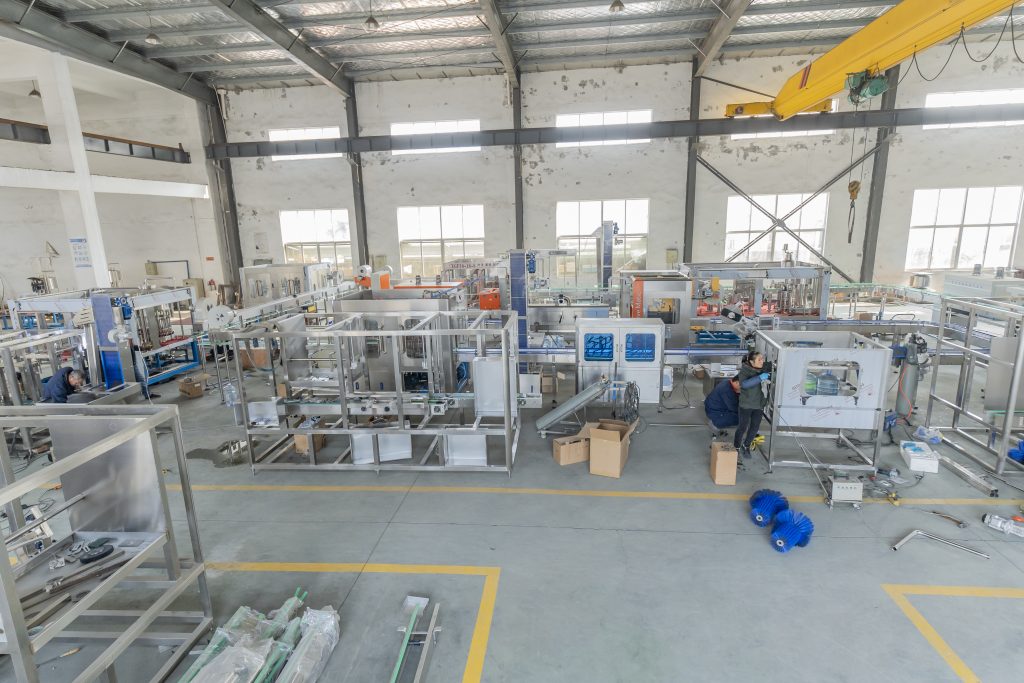
Fully automatic filling machines handle the entire process – bottle feeding, positioning, filling, capping, and discharging – without manual intervention. They typically come with PLC controls, touch screen HMI, automatic detection, and fault alarm functions.
Price range: Fully automatic inline fillers typically start in the tens of thousands of USD and can reach six figures for high-speed custom lines.
Typical capacity: 2,000 – 36,000+ bottles/hour – far higher than semi-automatic machines.
Best for:
Medium to large-scale production facilities
Factories requiring continuous high-volume production
Applications demanding high consistency and hygiene standards
Pros: High efficiency, labour savings, consistent quality, line integration capability Cons: Higher initial investment, more demanding maintenance requirements
3. Automation Levels – From “Fully Auto” to “Smart Filling”
Today’s filling lines have moved beyond single-machine performance – their true value lies in whether they can integrate into a smart factory ecosystem. “Fully automatic” is no longer a single tier but a spectrum:
Level
Features
Price Impact
Basic fully auto
PLC control, touch screen operation, auto filling + capping
Base price
Smart fully auto
Fault self-diagnosis, data collection, remote monitoring, recipe storage
+20–40%
Connected fully auto
OPC UA/Profinet interfaces, MES integration, vision inspection, inline weighing feedback
+50–100%
When evaluating a filling machine’s automation level, don’t just ask if it “runs automatically” – check whether it offers fault self-diagnosis, remote operation and maintenance, data acquisition and traceability, and whether it provides standard industrial communication interfaces such as OPC UA or Profinet.
4. Other Factors That Affect Price
Beyond automation level, these factors also significantly influence filling machine pricing:
Factor
Price Impact
Number of filling heads
More heads = higher price. An 8-head and a 32-head machine can differ by several times
Material
SS304 vs SS316L – the latter costs more
Control system brand
Siemens PLC vs domestic brand – significant price difference
Filling accuracy
±1% vs ±0.2% – higher precision costs more
Customisation level
Standard vs custom-built – the latter is more expensive
5. How to Choose the Right Automation Level?
Your Situation
Recommended Automation Level
Startup, limited budget, output <2,000 BPH
Semi-automatic
Stable production, output 2,000–10,000 BPH
Fully automatic (basic)
High-volume production, output >10,000 BPH
Fully automatic (smart)
Multiple SKUs, frequent changeovers, MES integration required
Fully automatic (connected)
Sourcing tip: When requesting a quote, clearly specify your target capacity, bottle type, product type, and budget. Ask the supplier for a price comparison across different automation levels. Also, check whether the machine supports future upgrades – moving from basic to smart or connected versions without replacing the entire machine can save you from redundant investment.
Description: Planning to invest in a PET bottle filling line? Don’t just look at the price. These 5 questions will help you identify a reliable supplier and avoid costly mistakes.
Introduction
Buying a filling line is actually buying a longterm production partner, not just a machine.
You are buying a machine that runs 8–24 hours a day. It affects your product quality, production efficiency, operating costs, and even your customer satisfaction. Choosing the wrong supplier can cost far more than “a few thousand extra” – it can mean line shutdowns, delayed orders, and lost customers.
Here are 5 questions you must ask any potential supplier.
1. “Do you have any case studies with similar products?”
Why it matters: A supplier who has worked on similar products understands your process challenges. Someone who hasn’t may treat your line as a “learning experiment.”
Followup questions:
“Which factory? Can we contact them?”
“What capacity was that line? How long has it been running?”
“Were there any issues? How did you resolve them?”
Warning: A supplier who says “many cases” but can’t provide details is either exaggerating or doesn’t have successful examples.
2. “What brands are the key components?”
Why it matters: Core parts (PLC, sensors, pneumatics, motors) directly affect stability and lifespan. Brand differences mean huge differences in reliability and cost.
Components to check:
PLC and HMI: Siemens? Mitsubishi? Domestic brand?
Pneumatics: FESTO? SMC? AirTAC?
Motors: ABB? Siemens? Domestic?
Sensors: Omron? SICK? Domestic?
Warning: If the supplier is vague (“international brand”) without naming brands, they are probably using cheaper alternatives.
3. “What is the lead time? From payment to shipment?”
Why it matters: Lead time directly affects your project schedule. Many buyers focus only on price and ignore time cost.
Typical benchmarks:
Standard models: 15–25 working days (after deposit)
Customised lines: 30–45 working days
Complex turnkey projects: 60–90 days
Warning: A supplier who promises “ship in one week” may be selling a stock machine (not tailored to you) or simply overpromising.
4. “How do you handle aftersales support and spare parts?”
Why it matters: Machines break down – what matters is how fast you can recover. Spare parts availability is a nightmare for many buyers; one seal can shut down a line for a week, costing far more than the seal itself.
Questions to clarify:
Warranty period? What is covered? What is not?
Is there 24hour technical support?
Where do we order spare parts? Shipping time?
Can you send engineers for onsite installation?
Warning: Suppliers who claim “global service” but can’t describe the process are likely just making promises.
5. “Can we visit your factory?”
Why it matters: The factory is the most direct indicator of a supplier’s real capability. Would you trust a supplier who won’t let you see their workshop?
Warranty, spares, technical support are well defined
Open to factory visits
Does not refuse a tour or video inspection
Don’t choose a supplier based on price alone. A machine that is 20% cheaper but breaks down frequently will cost you far more in downtime, repairs, and lost customers than that 20% difference.
Make a smart decision – ask the right questions, choose the right partner.
Keywords: PET bottle filling line procurement, filling machine supplier selection, filling line investment, beverage equipment sourcing, filling machine quote, supplier evaluation
Description: Chinese PET bottle filling machine manufacturers are gaining global market share. What’s behind their rise? This article analyses cost, technology, delivery, and service.
Introduction
The global landscape for PET bottle filling equipment has shifted significantly over the past decade.
Chinese manufacturers have moved from “lowcost alternatives” to “mainstream choices.” They are now strong not only in emerging markets (Middle East, Southeast Asia, Africa, Latin America) but are also entering Europe and North America.
What is driving this change?
1. Price Advantage – No Longer the Only Factor
In the past, Chinese equipment competed mainly on price – 30–50% lower than European brands.
Today, price is still an advantage, but the gap is shrinking. More importantly, value for money is becoming the core strength: for the same price, Chinese suppliers offer better specifications and service.
Market reference: Entrylevel semiauto units go below $2,000, while fully automatic complete lines (with conveying, sterilisation) can exceed $40,000. Chinese turnkey solutions typically cost 20–35% less than comparable European or American lines.
2. Industrial Clusters – The Zhangjiagang Example
Chinese filling equipment manufacturing is highly concentrated. Zhangjiagang, Jiangsu, for example, is home to hundreds of beverage packaging machinery manufacturers, forming a complete industrial chain.
Benefits of clusters:
Fast component supply (suppliers within 30 minutes’ drive)
Lower supporting costs (moulds, conveyors, electrical parts sourced locally)
Short lead times (whole lines assembled and tested within one industrial park)
This is why many international buyers choose Zhangjiagang as their sourcing destination.
3. Technological Capabilities – Catching Up Fast
Chinese manufacturers have made notable progress in:
Automation: Siemens PLC, HMI touch screens, and variablefrequency drives are now standard, not “premium options.”
Filling technologies: Hot fill (85–95°C), isobaric (carbonated), and aseptic filling are mature.
Integration: Blowfillcap monoblocks (combined systems) are becoming mainstream – smaller footprint, lower energy consumption.
Digitalisation: Remote monitoring, data acquisition, and fault selfdiagnosis are becoming widely available.
4. Delivery and Service – Improving Significantly
In the past, aftersales service was the weak point – distance, language barriers, and slow response.
Today:
More Chinese manufacturers have overseas offices or agent networks
24/7 online support (WhatsApp, WeChat, email) is standard
Videoguided installation drastically reduces onsite service costs
Spare parts supply is becoming more professional – many suppliers include a free basic spare parts kit with the machine
5. Typical Advantages – Chinese vs. Western Manufacturers
Dimension
Chinese Manufacturers
Western Manufacturers
Equipment price
Lower (20–35% advantage)
Higher
Lead time
Shorter (15–45 days)
Longer (typically 60–120 days)
Customisation flexibility
High – willing to adapt
Lower – more standardised
Aftersales support
Improving – remote + video
Mature – local networks
Technology maturity
Catching up – core areas mature
Leading – especially in highend aseptic
6. Sourcing Advice
If you are considering buying from China:
Don’t just look at the lowest price – cheap machines may use cheap materials and parts
Visit the factory – or at least take a video tour to see real capabilities
Clarify component brands – the difference between Siemens and domestic PLCs is huge in both price and reliability
Confirm aftersales support – warranty, spare parts, technical assistance must be clearly stated
Choose suppliers in industrial clusters – Zhangjiagang and similar areas offer better supply chains and more experience
The rise of Chinese filling machine manufacturers is not by chance – it is the result of progress in cost, technology, delivery, and service. For buyers with limited budgets who do not want to compromise on quality, China is a serious option worth considering.
Keywords: Chinese filling machine manufacturers, PET bottle filling line, sourcing from China, Zhangjiagang filling machine, beverage equipment supplier, filling machine price
Description: PET blow molder breaking down often? Bottles deformed, uneven wall thickness, or output below rated capacity? This article helps you pinpoint the root causes and provides practical solutions.
Introduction
The blow molder is the frontend of any PET filling line – and a frequent source of headaches.
If bottles are not blown correctly, even the best filler won’t save you. But many problems blamed on “poor machine quality” actually stem from operation, maintenance, or auxiliary equipment.
This article walks you through the five most common blowmolding problems and how to solve them.
1. Uneven Wall Thickness – One Side Thicker Than the Other
Symptoms: The finished bottle has uneven wall thickness – some areas are overly transparent (overstretched), others are whitish (understretched).
Possible causes:
Uneven preform heating (old or misaligned infrared lamps)
Stretch rod offcentre
Inconsistent preform wall thickness (raw material issue)
Solutions:
Check the oven lamps – replace any that are old or uneven
Align the stretch rod
Inspect the preform quality – poor preforms are a common root cause
2. Bottle Bottom Turns White or Cracks
Symptoms: The centre of the bottom is white, shows cracks, or even splits open.
Possible causes:
Insufficient heating at the bottom
Blow pressure too low or applied too early
Excessive gate residue on the preform bottom
Solutions:
Increase bottomzone temperature (the bottom typically needs 10–15°C more than the body)
Check highpressure air supply – should be ≥28 bar
Check highpressure filters for clogging
3. Output Below Rated Capacity
Symptoms: The machine is rated “1outof1” or “1outof2”, but actual production is far below the design value.
Possible causes:
Heating time set too long
Cooling water temperature too high (reduces mould cooling efficiency)
Insufficient compressed air pressure or flow
Heavy preforms (requiring longer heating time)
Solutions:
Check cooling water – inlet temperature should be 8–12°C, outlet no higher than 18°C
Use deionised or RO water with a suitable corrosion inhibitor
Verify the compressed air system – undersized compressors are a common mistake
4. Frosty or Crystallised Surface on the Bottle
Symptoms: The body is hazy, frosted, or shows white crystalline spots.
Possible causes:
Insufficient drying of the PET resin (moisture content too high)
Overheating (PET degrading)
Uneven cooling of the mould
Solutions:
Ensure PET resin is dried at 160–180°C for at least 4–6 hours – use a dehumidifying dryer, not just a hotair dryer
Monitor the dryer outlet dew point
Check mould cooling channels for blockages
5. Bottle Sticks to the Mould After Blowing
Symptoms: The bottle cannot be released after blowing – it has to be removed manually.
Possible causes:
Mould temperature too high
Blow/cooling time too short (bottle not fully set)
Residue on the mould surface
Solutions:
Lower the mould cooling water temperature
Increase blow/cooling time
Clean the mould surface regularly with a suitable cleaner
Check that the release mechanism operates correctly
6. Preventive Maintenance Checklist (Monthly)
Item
Frequency
Note
Infrared lamps
Weekly
Aging causes uneven heating
Highpressure air filters
Monthly
Clogging reduces pressure
Cooling water temperature & flow
Daily
High temperature reduces capacity
Mould surface cleaning
Each changeover
Residue causes sticking
Stretch rod position
Monthly
Misalignment causes uneven wall thickness
Valve timing
Monthly
Ensure preblow and highblow timing are correct
80% of blowmolding problems can be avoided with correct operation and regular maintenance. If your machine is acting up, run through this checklist first – often the problem is not the machine itself.
If the problem persists after checking all these points, it may be a design or selection issue – contact your supplier for further diagnosis.
Keywords: PET blow molder, blow molding problems, bottle deformation, blow molder maintenance, PET bottle production, blow molder repair
Description: Hot fill, isobaric, or aseptic – what’s the difference? This guide helps you understand the three core filling technologies and choose the one that fits your product.
Introduction
Many buyers ask “Do you have a filling machine?” but when asked “Do you need hot fill or isobaric?” they hesitate.
That’s understandable – these technologies can be confusing. But choosing the wrong one is costly: using an isobaric machine for juice creates foam and inaccurate fill levels; using a hotfill machine for carbonated drinks will make all the CO₂ escape.
This article clears up the differences once and for all.
1. Hot Fill – The First Choice for Juice & Tea
Hot fill means heating the product to 85–95°C and filling it into the bottle while hot. The heat sterilises both the product and the bottle interior. After filling, the bottle is inverted so the hot liquid contacts the cap area for complete sterilisation.
Best for: Juice, tea, flavoured water, sports drinks, and other acidic beverages (pH < 4.6).
Advantages:
Long shelf life without preservatives
Simpler equipment – lower investment than aseptic
Mature technology, easy to maintain
Disadvantages:
Requires heatresistant PET bottles (crystallised neck – higher cost)
Higher energy consumption (heating and cooling)
Not suitable for lowacid products like milk or plantbased drinks
Key point: Heatfill PET bottles must be made with Heatset technology – standard PET bottles will deform above 85°C. Always confirm that your supplier provides heatset moulds.
2. Isobaric Filling – The Only Choice for Carbonated Drinks
Isobaric filling is the dedicated technology for carbonated soft drinks, beer, and soda water. The bottle is pressurised with CO₂ before filling, so the pressure inside the bottle equals that in the filling bowl. Then the liquid is allowed to flow in.
Best for: Cola, soda water, beer, sparkling water, carbonated energy drinks.
Advantages:
Prevents foaming
Ensures consistent CO₂ content (carbonation levels from 2.0 to 4.5 volumes)
Accurate fill levels
Disadvantages:
Complex machinery – higher initial investment
Demands special seals resistant to CO₂ corrosion
Not suitable for still products
Key point: When buying an isobaric filler, verify the sealing material on the filling valves – ordinary rubber seals degrade quickly in a CO₂ environment.
3. Aseptic Filling – A Moat for Premium Products
Aseptic filling is done in a sterile environment where the presterilised product is filled into presterilised containers. The product, packaging, and filling environment are each sterilised independently, and the entire process is maintained under aseptic conditions.
Key point: The core of an aseptic line is sterilisation validation – it must be proven by media fill tests. Confirm that your supplier provides complete validation support.
4. Quick Selection Guide
Your Product
Recommended Technology
Reason
Pure water, mineral water
Gravity / volumetric
Simplest, lowest cost
Juice, tea
Hot fill
Sterilises and fills in one step
Carbonated drinks, beer
Isobaric
Prevents foam, retains CO₂
Milk, plant protein
Aseptic
Ambient shelf life, preserves nutrition
Premium juices, functional drinks
Aseptic
Best flavour and longest shelf life
5. Three Questions to Ask Any Supplier
“Can this machine handle my product viscosity?” – Different technologies suit different viscosities. Hot fill works for lowviscosity liquids; isobaric has limits; aseptic is more flexible.
“How long does changeover take?” – If you have multiple SKUs, changeover time is critical. A good machine should switch over in 15–30 minutes.
“How is CIP cleaning performed?” – No matter the technology, regular cleaning is mandatory. Confirm the supplier provides a complete CIP (CleaninPlace) solution.
Choosing the right filling technology is the first and most important step in investing in a filling line. Get it right, and everything else follows. Get it wrong, and you’ll face endless issues.
Unsure which technology suits your product? Send us your product details – we’ll help you analyse.
Keywords: hot fill, isobaric filling, aseptic filling, filling technology selection, PET bottle filler, juice filling line, carbonated drink filling line
Carbonated soft drinks, beer, soda water → Isobaric filling. The bottle is pressurized with CO₂ before filling to prevent foam and ensure consistent carbonation.Viscous liquids (syrups, sauces, honey, dairy) → Piston filling. Handles thick liquids and products with particles.
Sensitive products (baby food, clinical nutrition) → Aseptic filling. Sterile environment for products that can’t be heattreated.
Pro tip: If a supplier can’t explain the difference between these technologies, find another supplier. They should be able to tell you exactly which technology fits your product — and why.
Mistake #3: Only looking at the purchase price
“This machine is $10,000 cheaper” — sounds great, right? But the purchase price is only part of the cost.
What else adds to the cost?
Installation and commissioning – Some suppliers include it. Others charge extra.
Training – Will your operators know how to use the machine? Training costs time and money.
Energy consumption – A cheap machine might use twice as much electricity and compressed air.
Spare parts – Some machines need proprietary parts that are expensive and hard to get.
Downtime – Every breakdown means lost production. Cheap machines break down more often.
Maintenance – Some machines need daily maintenance. Others run for weeks without attention.
Pro tip: Ask for a total cost of ownership (TCO) breakdown. Don’t just compare the price — compare the long-term costs.
Mistake #4: Ignoring after-sales support
This is one of the most overlooked factors — and one of the most painful when things go wrong.
You’re buying a machine that runs 8–24 hours a day. It will break down eventually. When it does, you need help — fast.
What to check before buying:
Warranty – 12 months? 24 months? What’s covered?
Response time – How fast do they reply? 24/7 support?
Spare parts availability – Do they stock parts? How long does shipping take?
Remote support – Can they troubleshoot via video call?
On-site support – Can they send engineers to your country? What’s the cost?
Pro tip: Ask for contact details of their existing customers — preferably in your region or with similar products. Call them. Ask about after-sales support.
Mistake #5: Not checking supplier credibility
“All suppliers look the same online” — that’s exactly what scammers want you to think.
How to verify a supplier:
Check certifications – CE, ISO 9001, and FDA compliance (where applicable).
Visit the factory – In person or via video call. A factory tour tells you more than a hundred emails.
Check references – Ask for client contacts. Call them. Ask about the machine quality, delivery time, and after-sales support.
Look at their website – Does it look professional? Are there real photos? Do they have actual product videos?
Check social media – LinkedIn, Facebook, YouTube. Real companies have real presence.
Pro tip: If a supplier refuses to show you their factory — even via video — that’s a red flag.
Mistake #6: Forgetting the factory layout
You’ve found the perfect machine. It fits your capacity. It fits your budget. But when it arrives — it doesn’t fit in your factory.
This happens more often than you’d think.
What to check:
Available floor space – Length, width, height. Include space for conveyors, access, and maintenance.
Line layout – Will the machines fit in your current setup? Can you rearrange?
Utility connections – Water, electricity, compressed air, steam. Are they in the right places?
Future expansion – Will there be room to add more machines later?
Pro tip: Send your factory layout drawing to the supplier. Ask them to prepare a layout plan — including machine footprints, operator positions, and utility connection points.
Mistake #7: Not planning for spare parts
“We’ll order spare parts when we need them” — that’s a recipe for disaster.
When a key part breaks, you can’t wait two weeks for a new one. Production stops. Revenue stops. Customers get angry.
What spare parts to order upfront:
Wear parts – Seals, O-rings, belts, filters, knives.
Heating elements – For shrink tunnels and labelers.
Consumables – Lubricants, cleaning chemicals.
Pro tip: Ask your supplier for a recommended spare parts list. Order a basic kit with the machine. It costs a few hundred dollars — and it can save you thousands in downtime.
Bonus Tip: The factory visit — why it matters
You might be reading this and thinking: “I can’t visit a factory in China. That’s too expensive.”
Fair point. But here’s the thing — you can do a video tour. Most reputable suppliers will gladly show you their production floor, assembly area, and testing bay.
What to look for during the visit:
Cleanliness – Is the factory organized? Clean? Professional?
Quality control – Are they testing the machines before shipping? Ask to see the testing process.
Inventory – Do they have raw materials and components in stock? Or is everything “just in time”?
Team – How many engineers? How many technicians? What’s the experience level?
Meta Description: Looking for a reliable PET bottle filling line? Learn about 3-in-1 filling machines, water treatment, isobaric filling, and key factors to boost your production efficiency.
Introduction
The global demand for bottled water, soft drinks, juices, and carbonated beverages continues to rise. For beverage manufacturers, investing in a high-performance PET bottle filling line is critical to stay competitive. But with so many options on the market – semi-automatic vs. fully automatic, hot filling vs. isobaric filling – how do you choose the right one for your production needs?
In this guide, we break down the essential components and decision factors for a modern PET bottle filling line.
1. Understand Your Production Capacity
Your first step is to determine the target output in bottles per hour (BPH). Small start-ups may need only 2,000–6,000 BPH, while large plants often require 20,000–36,000 BPH. A scalable 3-in-1 rinsing, filling, and capping machine can grow with your business.
2. Choose the Right Filling Technology
Different beverages require different filling principles:
Beverage Type
Recommended Filling Technology
Still water, pure water
Gravity / volumetric filling
Juice, tea, flavored water
Hot filling (85–95°C) + pasteurization
Carbonated soft drinks, beer
Isobaric (CO₂) filling
Viscous liquids (syrup, honey)
Piston / plunger filling
Selecting the wrong filling method leads to foam, inaccurate fill levels, or damaged product quality.
Key Components of a Complete Filling Line
Water treatment system (quartz sand filter, activated carbon filter, softener, RO membrane, UV & ozone sterilization)
PET bottle blow molding machine (with preform feeder and air conveyor)
3-in-1 rinsing, filling & capping monoblock – the core of the line
Labeling machine (hot melt glue, self-adhesive, or sleeve labeler)
Date coding / laser coder (for batch number and expiry date)
Bottle drying machine (air knife dryer)
Packaging unit (shrink wrap, tray packing, or cartoning)
Palletizing system (manual or automatic)
4. Material & Hygiene Standards
All product-contact parts should be made of food-grade 304 or 316 stainless steel. Look for CE, ISO 9001 certifications. For sensitive products like juice or dairy, CIP (Clean-in-Place) and SIP (Sterilize-in-Place) systems are essential.
5. Automation & Control
Modern lines use Siemens PLC with a touch screen HMI. Features like recipe storage, remote monitoring, and fault self-diagnosis reduce downtime and operator errors.
6. After-Sales Service & Spare Parts
A reliable supplier provides:
12–24 months warranty
24/7 online technical support (WhatsApp, email, video)
Standalone blow molding, labeling, and packing machines
Our equipment is exported to more than 80 countries, including Saudi Arabia, India, Nigeria, Vietnam, and Brazil. We support DDP shipping to many regions and provide factory-direct pricing.
Final Tips
Before ordering, always:
Send your bottle drawing or sample
Confirm your target BPH
Specify the beverage type (still, carbonated, hot fill)
Share your factory layout (dimensions, power supply)
A customized solution will save you money and maximize your production efficiency.
If you’re in the food and beverage industry, investing in a juice filling machine is one of the most critical decisions you’ll make for your production line. A poorly chosen machine can lead to inconsistent product quality, wasted raw materials, missed production targets, and even compliance issues. Worse, vague RFQs (Request for Quotations) often result in inaccurate quotes that don’t align with your actual needs.
Whether you’re launching a new juice brand, expanding your line, or upgrading old equipment, this guide will walk you through how to select the perfect juice filling machine, explain essential technical terms you’ll encounter, and share tips to write RFQs that get you precise, actionable quotes from suppliers.
Part 1: How to Choose the Right Juice Filling Machine for Your Business
Choosing a juice filling machine isn’t one-size-fits-all. The right model depends on your unique product, production goals, and operational setup. Here’s a step-by-step framework to narrow down your options:
1. Define Your Juice Product & Its Unique Needs
Start with the basics: what type of juice are you producing? Key product details that impact machine selection include:
Acidity & pH Level: Acidic juices (pH <4.5, e.g., orange, apple, grape) work well with hot filling. Neutral or low-acid juices (e.g., some vegetable blends) require aseptic filling to prevent spoilage.
Pulp/Particulate Content: Juices with fruit pulp, seeds, or pieces need specialized filling systems (like positive displacement fillers) to avoid clogging and ensure accurate dosing.
Preservative Use: If you’re making preservative-free juice, you’ll need a filling technology that ensures shelf stability without additives (e.g., hot filling or aseptic filling).
2. Calculate Your Required Production Capacity
Don’t just focus on your current output—plan for growth! Key questions to answer:
How many bottles per hour do you need to produce (now and in 3-5 years)?
How many hours per day will your line run (e.g., 8-hour shifts vs. 24/7 operation)?
Do you need flexibility to scale up for seasonal demand (e.g., summer juice surges)?
Suppliers will use this data to recommend the right machine speed (number of filling heads, cycle time) and avoid over/under-sizing your equipment.
3. Document Every Detail of Your Bottles
Your juice’s packaging directly impacts the filling machine’s design. Share these bottle specs with suppliers:
Material: PET, glass, aluminum, or carton (each requires different handling systems)
Shape: Round, square, or irregular (some machines require custom molds for non-standard bottles)
4. Pick the Right Filling Technology
Different filling methods serve different juice types and shelf-life goals. Here’s how to choose:
Hot Filling: Best for acidic, preservative-free juices. Juice is heated to 85-95°C, filled into pre-heated bottles, and cooled quickly. The high temperature kills bacteria, extending shelf life without preservatives. Cost-effective for mid-to-large scale production.
Cold Filling: Used for fresh, short-shelf-life juices (e.g., cold-pressed). Juice is filled at room temperature or chilled, requiring strict hygiene controls (e.g., clean rooms) to prevent spoilage. Ideal for craft or small-batch producers.
Aseptic Filling: The gold standard for long-shelf-life, preservative-free juice. Both the juice and bottles are sterilized before filling in a closed, sterile environment. No need for refrigeration during storage, but this technology is more expensive and requires specialized training.
Isobaric Filling: Primarily for carbonated drinks, but some juice-based sodas use this method to maintain carbonation during filling.
5. Prioritize Hygiene & Compliance
Food safety is non-negotiable for juice production. Look for machines that:
Are made with food-grade stainless steel (304/316L) to prevent corrosion and contamination
Include built-in cleaning systems like CIP (Clean-in-Place) to sanitize the line without disassembly
Meet certifications required for your target market (ISO 9001, CE, FDA, or local food safety standards)
6. Evaluate After-Sales Support & Service
A juice filling machine is a long-term investment, so reliable after-sales support is critical. Ask suppliers about:
Installation and on-site training for your team
Spare parts availability and lead times
Maintenance schedules and remote troubleshooting support
Warranty terms for key components (e.g., pumps, valves)
Part 2: Key Juice Filling Machine Technical Terms You Need to Know
When researching machines or talking to suppliers, you’ll encounter industry jargon. Here’s a breakdown of the most common terms to help you stay informed:
Term
Definition
Monoblock System
A single integrated unit that combines bottle rinsing, filling, and capping functions. Saves space, reduces contamination risks, and improves efficiency vs. standalone machines.
CIP (Clean-in-Place)
An automated system that cleans and sanitizes the filling line (pipes, tanks, valves) without disassembling parts. Essential for food safety and reducing downtime between batches.
SIP (Sterilize-in-Place)
A step up from CIP, using steam or hot water to sterilize the entire line (critical for aseptic filling setups).
Filling Accuracy
The percentage variation in the volume of juice per bottle (e.g., ±0.5%). Higher accuracy reduces product waste and ensures consistent packaging.
Positive Displacement Filler
A type of filling system that uses a piston to measure and dispense precise volumes of liquid. Ideal for thick juices, pulpy blends, or products with suspended solids.
Overflow Filler
Uses gravity and a vent tube to fill bottles to a consistent level (instead of volume). Common for thin, clear juices where visual consistency matters (e.g., apple juice).
Rinsing Station
The first step in most lines, where bottles are washed with water, sanitizer, or air to remove dust or contaminants before filling.
Capping Station
The unit that seals bottles with caps (screw, crown, or press-on). Includes torque control to ensure tight, consistent seals without damaging bottles.
Production Capacity
The maximum number of bottles the machine can process per hour (BPH). Often listed as a range (e.g., 6,000-12,000 BPH) depending on bottle size and filling method.
Part 3: How to Write a Juice Filling Machine RFQ That Gets You an Accurate Quote
Vague RFQs lead to generic, inaccurate quotes that don’t reflect your needs. To get precise, actionable quotes from suppliers, include these details in your request:
1. What to Include in Your RFQ
Product Details: Juice type (e.g., mango pulp juice, cold-pressed orange), pulp content, pH level, and whether it contains preservatives.
Production Goals: Required BPH (bottles per hour), daily operating hours, and any future scaling plans.
Bottle Specifications: Material, size, neck finish, and any custom features (e.g., tamper-evident bands).
Filling Preference: Do you need hot filling, cold filling, or aseptic filling? Do you prefer a monoblock system or standalone machines?
Utility Specs: Power voltage/frequency (e.g., 380V/50Hz for China, 415V/50Hz for India, 220V/60Hz for the US) and available water/air pressure at your facility.
Compliance Needs: Certifications required for your market (e.g., CE for the EU, FDA for the US).
Additional Requirements: CIP system integration, compatibility with existing production lines, or specific spare parts needs.
2. Bad vs. Good RFQ Examples
To see the difference, compare these two requests:
❌ Bad RFQ (Too Vague)
“Hi, I need a juice filling machine. Please send me a quote. Thanks.”
This gives the supplier no context—they can only send a generic quote that may not fit your product, capacity, or bottles.
✅ Good RFQ (Detailed & Specific)
“Hi, I’m looking for a hot filling monoblock machine for our preservative-free mango juice with 5% pulp. We need a capacity of 8,000 bottles/hour for 500ml PET bottles with a 28mm screw neck. Our facility uses 380V/50Hz power, and we need the machine to be CE certified for the EU market. Please include a built-in CIP system in the quote. Can you also share lead time and after-sales support details? Thank you!”
This request gives the supplier all the info they need to recommend the right machine and provide an accurate quote.
3. Bonus Tips for Better Quotes
Mention your budget range (optional, but helps suppliers recommend solutions that fit your financial goals).
Ask for technical specifications (e.g., filling accuracy, power consumption) along with the price.
Clarify delivery terms (FOB, CIF, DDP) and whether installation/training is included in the quote.
Final Thoughts
Choosing the right juice filling machine and getting an accurate quote doesn’t have to be overwhelming. By understanding your product needs, key technical terms, and how to write a detailed RFQ, you’ll avoid costly mistakes and find a solution that grows with your business.
At ALL-FILLING, we specialize in custom juice filling solutions for producers of all sizes—from small craft brands to large industrial plants. Our team of experts will work with you to assess your unique needs, recommend the right technology, and provide a transparent, detailed quote.
Ready to find your perfect juice filling machine? Contact us today to discuss your project or request a personalized quote.
Blog Optimization Tips (for Google)
Add relevant keywords naturally throughout (e.g., “juice filling machine,” “hot filling for juice,” “how to get accurate quotes for filling equipment”)
Include high-quality images or diagrams of juice filling machines/processes
Add internal links to your product pages (e.g., “Check out our hot filling monoblock machines here”)
End with a clear call-to-action (CTA) to drive leads
How to Choose High-Performance Water & Beverage Filling Equipment: Ensure Maximum ROI and Production Efficiency
In the rapidly evolving beverage industry, the efficiency of your production line is the heartbeat of your business. Whether you are a startup water bottling company or a large-scale beverage manufacturer, selecting the right water filling machine or beverage filling machine is a critical decision that impacts your product quality, operational costs, and long-term scalability.
At All-Filling, we combine decades of engineering expertise with a deep understanding of global market demands. In this comprehensive guide, we will break down everything you need to know about liquid filling technology, guided by the principles of Experience, Expertise, Authoritativeness
1. Understanding the Core Technologies: Water vs. Carbonated Beverage Filling
Not all liquids are created equal. The mechanical requirements for filling still mineral water differ significantly from those for carbonated soft drinks (CSD) or pulpy juices.
1.1 Gravity Filling for Mineral Water
For non-carbonated liquids like mineral water or purified water, gravity filling is the industry standard. It relies on the weight of the liquid to fill the container. This method is cost-effective, simple to maintain, and ensures high precision without damaging the liquid’s molecular structure.
1.2 Isobaric (Counter-Pressure) Filling for Carbonated Beverages
Beverages containing CO2 require a sophisticated approach. Isobaric (Counter-Pressure) filling machines maintain equal pressure between the storage tank and the bottle to prevent foaming and CO2 loss. This technology is essential for maintaining the “fizz” and shelf-life of carbonated drinks.
2. Key Factors to Consider When Buying a Filling Machine
Investing in a bottling line is a significant capital expenditure. To ensure a high Return on Investment (ROI), consider these four pillars.
2.1 Production Capacity (BPH)
Your machine’s speed is measured in Bottles Per Hour (BPH).
Small scale: 2,000 – 4,000 BPH
Medium scale: 6,000 – 12,000 BPH
High-speed industrial: 15,000+ BPH
Always choose a machine that offers 20% more capacity than your current needs to allow for future growth.
2.2 Filling Accuracy and Wastage Control
In large-scale production, a 1% deviation in filling volume can lead to thousands of dollars in lost product over a year. Modern machines from All-Filling utilize high-precision flow meters or level sensors to ensure consistency within ±1.5mm.
2.3 Container Versatility
Does your brand use PET bottles, glass bottles, or cans? A versatile 3-in-1 Monoblock machine (Rinsing, Filling, and Capping) allows for quick changeovers between different bottle sizes (e.g., 330ml to 1.5L) with minimal downtime.
3. The Importance of Hygiene and Material Standards
Safety is non-negotiable in the food and beverage industry. As a professional manufacturer, we emphasize:Material Selection: All parts in contact with the liquid must be made of SUS304 or SUS316L stainless steel. This prevents corrosion and ensures the product remains uncontaminated.
CIP (Clean-in-Place) Systems: An integrated CIP system allows for automated cleaning of internal pipes and valves without disassembling the machine
4. Troubleshooting Common Issues in Bottling Lines
Based on our years of field experience, here are the most common challenges and how to solve them:
Foaming During Filling: Often caused by incorrect pressure settings or temperature fluctuations. Ensure your cooling system is synchronized with the filler.
Inconsistent Filling Levels: Usually points to a vacuum leak or a clogged filling valve. Regular inspection of seals is vital.
Capping Failures: Check the torque settings on the capping head. If the cap is too tight, it damages the thread; too loose, and it leaks.
5. Why Partner with All-Filling?
Choosing a supplier is as important as choosing the machine itself. At All-Filling, we provide more than just hardware; we provide End-to-End Solutions.
Customized Engineering: We design layouts based on your factory dimensions.
Global Support: Our engineers provide remote diagnostics and on-site installation.
If you work in the beverage, food or liquid packaging industry, you know that bottle quality directly impacts your brand reputation and operational efficiency.
Zhangjiagang All-filling Machinery Co., Ltd. — with over a decade of specialized experience in beverage packaging equipment — has helped countless businesses worldwide find the right PET bottle-blowing solutions tailored to their production scale, budget and long-term goals.
In this guide, we’ll cover everything you need to know about PET bottle-blowing machines: from their working principle to the key differences between automatic and semi-automatic models, to help you make informed decisions and drive your business forward.
What is a PET bottle-blowing machine, and how does it work?
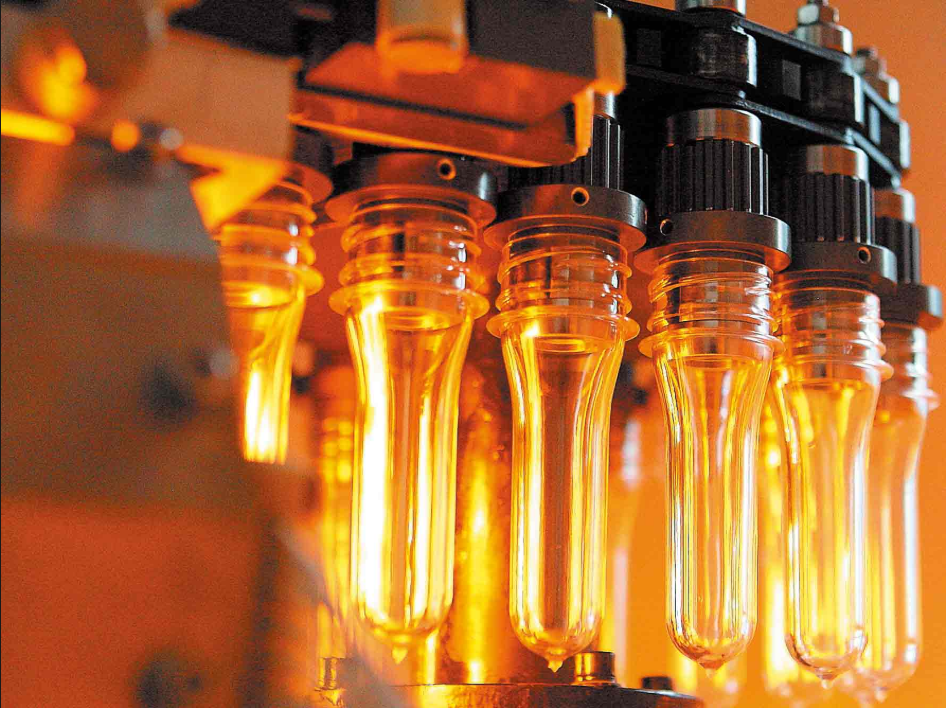
At its core, a PET bottle-blowing machine uses thermal energy and compressed air to inflate small, tubular PET preforms into finished plastic bottles. While the process may seem straightforward, it requires precise engineering to ensure consistent product quality, uniform wall thickness and structural integrity.
The working process is as follows:
Preform Feeding and Heating
After PET preforms are loaded into the machine, they are heated by a high-efficiency infrared heating system. The temperature is precisely controlled to soften the PET material without melting it, ensuring even heating across the whole preform.
Stretching and Blowing
After heating, the preforms are placed into molds that match the required bottle shape. A stretch rod stretches the preform vertically, while high-pressure compressed air is blown into it to expand the preform and fit the contour of the mold.
Cooling and Demolding
The newly formed bottles are quickly cooled inside the mold to fix the shape and prevent deformation. They are then demolded and transferred to downstream procedures such as filling, labeling and packaging.
The production of PET bottles is based on a two-step process: heating and blowing. ALL-FILLING machines are well-engineered to optimize every stage, achieving the highest efficiency and reliability.
Fully Automatic vs Semi-Automatic PET Bottle Blowing Machine: Which One Is Right for You?
When choosing a PET bottle blowing machine, the biggest decision you have to make is between fully automatic and semi-automatic models.
Both come with their own advantages. The right choice depends on your production output, budget, labor conditions and long-term development plans. Let’s analyze each option in detail.
1. Fully Automatic PET Bottle Blowing Machine: Ideal for Mass Production
Our fully automatic PET bottle blowing machines are the ultimate solution for large-scale beverage producers, co-packers, and businesses aiming for seamless integration with high-speed filling lines. These machines handle every step of the bottle production process automatically, from preform feeding to bottle ejection, with minimal human intervention.
Key Features & Benefits:
· Unmatched Efficiency: With capacities ranging from 2,000 to 6,000 bottles per hour (depending on the model and bottle size), fully automatic machines eliminate the bottlenecks of manual labor. They’re designed to run 24/7 with consistent speed, making them ideal for large water bottling plants, carbonated drink manufacturers, and juice production lines.
· Advanced Control & Precision: Equipped with PLC control systems and user-friendly touch screen interfaces, our fully automatic machines allow you to fine-tune every parameter—heating temperature, blowing pressure, stretch speed, and cycle time—for precise bottle forming. This ensures uniform quality across every bottle, even for complex shapes or large-capacity containers.
· Labor & Cost Savings: By automating preform loading, heating, blowing, and bottle ejection, these machines reduce labor costs significantly. One operator can oversee multiple machines, and the risk of human error (like incorrect preform placement or uneven heating) is virtually eliminated.
· Versatility for All Bottle Types: Our fully automatic models support a wide range of bottle specifications, from 200ml small beverage bottles to 5L edible oil containers, and everything in between. With quick mold changeover capabilities, you can switch between bottle sizes and shapes in minutes, adapting to changing market demands.
· Energy Efficiency & Low Maintenance: Built with energy-saving heating systems and air recovery technology, our fully automatic machines reduce power consumption per bottle, lowering your long-term operational costs. They also feature modular designs and easy-to-access components for simple maintenance, minimizing downtime.
Who It’s For:
· Large beverage manufacturers with high-volume production lines
· Co-packers serving multiple brands with diverse bottle needs
· Businesses planning for rapid growth or expansion
· Facilities prioritizing consistent quality and minimal labor costs
2. Semi-Automatic PET Bottle Blowing Machines: Cost-Effective Flexibility for Growing Businesses
For small to medium-sized producers, start-ups, or businesses with lower production volumes, our semi-automatic PET bottle blowing machines offer the perfect balance of affordability, flexibility, and reliability. These machines require minimal manual intervention (primarily for preform loading and bottle unloading) but automate the core heating and blowing processes, making them easy to operate and maintain.
Key Features & Benefits:
· Affordable Initial Investment: Semi-automatic machines have a lower upfront cost compared to fully automatic models, making them accessible to businesses with limited budgets. This makes them an ideal choice for new ventures or regional producers looking to enter the market without overcommitting capital.
· Compact Footprint & Easy Installation: Designed with space-saving structures, our semi-automatic machines fit easily in small production facilities. They require minimal setup and can be operational within days, with no complex integration needed.
· Simple Operation & Maintenance: With intuitive controls and a straightforward workflow, semi-automatic machines are easy for operators to learn and use. They also have fewer moving parts than fully automatic models, reducing maintenance requirements and associated costs.
· Flexible Batch Production: These machines are perfect for small-batch production, seasonal products, or custom bottle orders. They support a wide range of bottle sizes, from small 500ml water bottles to large 20L water jugs, making them versatile for diverse applications like juice, edible oil, and household chemical packaging.
· Low Operating Costs: While they require more manual labor than fully automatic models, semi-automatic machines have lower energy consumption and minimal maintenance costs, making them a cost-effective choice for businesses with moderate production needs.
Who It’s For:
Small to medium-sized beverage producers and regional brands
Start-ups and new businesses entering the packaging industry
Businesses with seasonal or variable production volumes
Facilities prioritizing low initial investment and flexible operation
Applications of ALL-FILLING PET Bottle Blowing Machines: Where Can They Be Used?
Our PET bottle blowing machines are engineered to meet the diverse packaging needs of multiple industries, delivering reliable performance for a wide range of products:
Beverage Industry: From purified water and mineral water to carbonated soft drinks, sports drinks, and functional beverages, our machines produce high-quality PET bottles that meet the strict hygiene and safety standards of the beverage industry.
Juice & Tea Drinks: For hot-filled juices, iced teas, and fruit-flavored drinks, our machines produce heat-resistant PET bottles with excellent clarity and barrier properties, preserving product freshness and flavor.
Food & Liquid Packaging: Our semi-automatic and fully automatic models are ideal for producing bottles for edible oils, sauces, dressings, dairy products, and condiments, ensuring food-grade safety and durability.
Household Chemicals & Personal Care: From cleaning agents and detergents to shampoo and body wash containers, our machines produce leak-proof, chemical-resistant PET bottles suitable for daily chemical applications.
Custom & Specialized Bottles: We support custom mold designs for special-shaped bottles, large-capacity containers, and branded packaging, helping businesses stand out in competitive markets.
Why Choose ALL-FILLING Machinery for Your PET Bottle Blowing Needs?
With over a decade of experience in beverage packaging machinery, ALL-FILLING is a trusted partner for businesses worldwide. Here’s what sets us apart:
Uncompromising Quality & Compliance: All our machines are certified to meet international standards like ISO 9001 and CE, ensuring safety, reliability, and compliance with global manufacturing requirements. We use only high-quality, food-grade materials and components from renowned international brands to guarantee long-term durability.
Customized Solutions: We understand that every business has unique needs. Whether you’re a small producer needing a compact semi-automatic machine or a large manufacturer requiring a high-speed fully automatic line, we offer tailored solutions to match your production scale, bottle specifications, and budget.development to optimize our machines for energy efficiency, performance, and ease of use. From advanced heating systems to smart control features, our machines incorporate the latest technology to help you stay ahead of the competition.
Proven Track Record: With thousands of machines installed across the globe, we’ve earned a reputation for delivering reliable, high-performance equipment that meets the evolving needs of the beverage packaging industry. Our customers trust us for our expertise, transparency, and commitment to excellence.
Final Thoughts: Investing in the Right PET Bottle Blowing Machine for Long-Term Success
Choosing the right PET bottle blowing machine is a critical decision that will impact your production efficiency, product quality, and bottom line for years to come. Whether you opt for a fully automatic machine for high-volume production or a semi-automatic model for flexible, cost-effective operation, ALL-FILLING has the expertise and equipment to support your business goals.
At ALL-FILLING, we are more than just a mechanical equipment supplier — we are your dedicated partner for growth and expansion.
Our professional team will work closely with you to assess your production requirements, recommend the most suitable equipment, and provide ongoing support to ensure your success.
If you are ready to take your bottle production to a new level, please contact us right away to discuss your demands and learn how our PET bottle blowing machines can revolutionize your production workflow.